
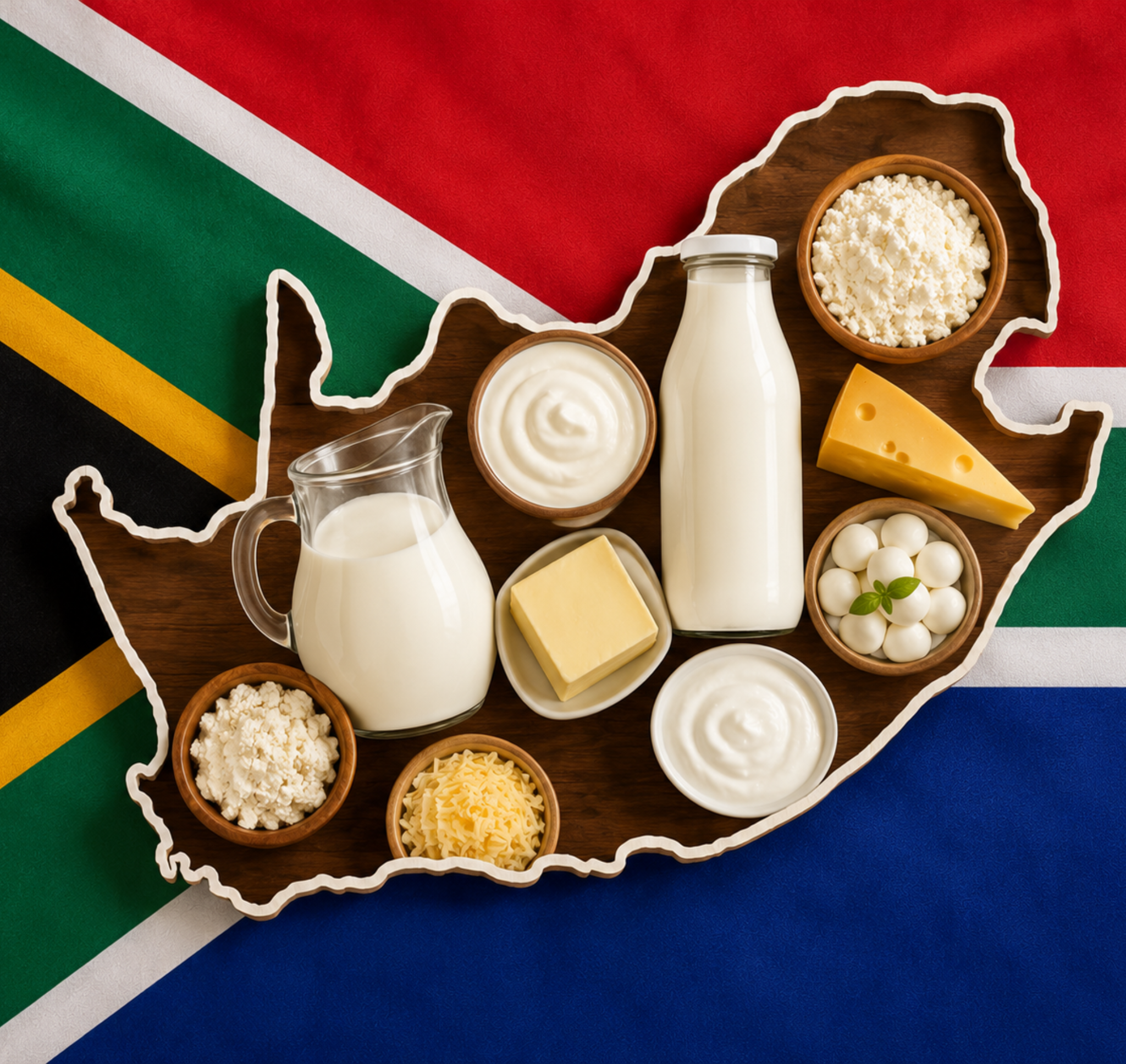
Dairy is part of everyday life in South Africa. It appears quietly in morning coffee, school lunches, family dinners and comforting recipes passed down through generations. From yoghurt and cheese to fresh milk, cream and butter, dairy products remain a staple in kitchens across the country.
But behind these everyday moments is a much larger story – one that connects farms, transport networks, processors, retailers and households through a carefully coordinated supply chain.
For many consumers, dairy begins at the supermarket shelf. Yet long before it reaches a fridge or dining table, there are countless people working daily to help keep that system moving.
Dairy farmers begin their work early each morning, caring for their herds and maintaining strict production routines throughout the year. Drivers and logistics teams coordinate collection and transport, processors maintain quality and safety standards, and retailers help make products accessible to communities nationwide.
It is an industry built on connection.
And it is also an industry that supports livelihoods at every level. Dairy contributes to rural employment, supports local businesses and forms part of the broader food systems many South African families rely on daily.
In many ways, food has always had the power to connect people – and dairy remains part of some of the country’s most familiar and comforting meals.
Whether it’s a warm malva pudding shared after Sunday lunch, homemade yoghurt flatbreads around the dinner table, or a creamy pasta enjoyed on a cold evening, dairy continues to play a role in both nourishment and tradition.
At Tip-Top Milk, we are proud to work within an industry that helps connect farms to homes across South Africa. While much of that work happens behind the scenes, it ultimately supports something deeply familiar: the meals, moments and communities that bring people together.
Because dairy is more than an industry.It is part of everyday South African life.